
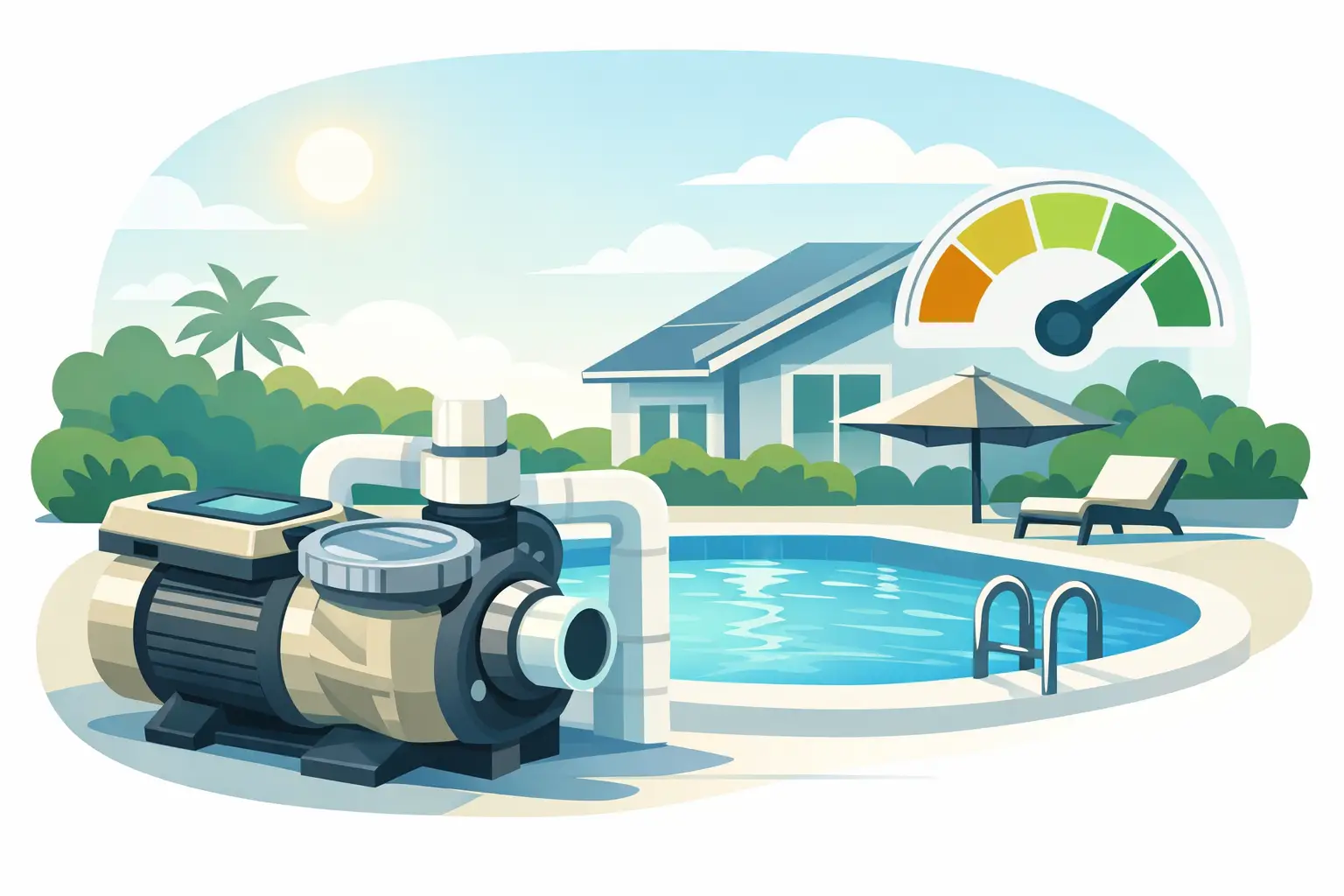
The old single-speed pump announces itself every time it turns on: a steady mechanical hum that can take over a quiet patio. A variable speed pool pump review for homeowners starts with that everyday difference, but the larger value is control. The right pump can circulate water more efficiently, reduce operating costs, and make the equipment pad far less intrusive to the backyard experience.
For most residential pools, a variable speed pump is a worthwhile upgrade. It is not automatically the right answer for every equipment setup, though. Pump sizing, plumbing, water features, local energy rates, and the condition of the rest of the system all affect the result.
Variable Speed Pool Pump Review: The Real Benefits
A single-speed pump runs at one high speed whenever it is on. That approach moves a lot of water quickly, whether the pool needs that much flow or not. A variable speed pump lets the motor run slowly for routine circulation, then increase speed when the pool needs more flow for vacuuming, heating, spa jets, water features, or a cleaner.
The key is that lower speed does more than lower the sound. Reducing motor speed significantly reduces energy demand. Because a pool pump often operates for several hours a day, those lower daily operating costs can add up over a season and over the life of the equipment.
A well-programmed variable speed pump also tends to make pool ownership feel easier. Instead of manually turning equipment on and off or accepting one all-purpose setting, homeowners can set a daily schedule. The pump can maintain steady filtration at a low speed, run higher during a preferred cleaning window, and return to a quieter setting before people gather outdoors.
That quieter operation matters more than many buyers expect. A pump pad near a patio, bedroom wall, neighbor’s property line, or outdoor kitchen can shape how a yard feels. Low-speed circulation is often subtle enough that the water feature, conversation, and evening atmosphere take center stage.
What Homeowners Should Weigh Before Upgrading
The purchase price is the most obvious trade-off. Variable speed pumps cost more upfront than basic single-speed models. Installation may also involve electrical work, plumbing adjustments, automation integration, or replacement of aging valves and filters. A low initial quote is not always the lowest long-term cost if the pump is improperly sized or cannot communicate with the existing controls.
There is also a learning curve. More settings mean more choices, and a pump that is never programmed correctly may not deliver the savings a homeowner expects. The good news is that routine programming does not need to be complicated. Most pools benefit from a simple plan built around low-speed daily circulation and short higher-speed periods for specific equipment needs.
Pool size alone should not determine pump size. The plumbing layout, pipe diameter, elevation, filter type, attached spa, solar heating, salt system, heater, and water features all influence the required flow. A pump that is too large can create excess noise, strain plumbing, and waste energy. One that is too small may struggle to operate a heater, cleaner, or spa properly.
For that reason, homeowners should view horsepower carefully. A higher horsepower number does not automatically mean better pool performance. The better question is whether the pump can provide the required flow at the right speeds for the complete system.
A pump cannot fix a neglected system
A variable speed pump improves circulation efficiency. It does not correct a dirty filter, a suction-side air leak, broken pool cleaner, undersized plumbing, or poor water chemistry. If a pool has cloudy water or recurring algae, the cause may be filtration, sanitizer levels, circulation patterns, or a combination of issues.
Before replacing a pump, inspect the equipment pad as a system. A professional review should account for the filter condition, plumbing restrictions, electrical supply, control panel, and any equipment that needs a minimum flow rate. This prevents an upgrade from becoming an expensive partial fix.
Where Variable Speed Pumps Deliver the Most Value
Homes with longer pool seasons often see the clearest financial benefit because the pump runs more days each year. The same is true for pools that require extended circulation due to heat, heavy use, nearby trees, or frequent entertaining. In warmer climates, where a pool is part of daily life for much of the year, operating efficiency deserves more attention than the upfront price alone.
A variable speed pump is especially useful for pools with an attached spa. The system can circulate the pool quietly at low speed for most of the day, then ramp up when the spa is in use. It can also support water features at the speed needed to create the desired visual effect without running at full power all day.
Saltwater pools are another strong fit. Salt chlorine generators generally need a certain flow level to produce chlorine, but that does not mean the pump must run at maximum speed. A technician can establish a speed that provides adequate flow through the cell while avoiding unnecessary energy use. The result is more consistent operation and less guesswork around daily schedules.
Homeowners with basic pools can benefit as well. A straightforward pool with a filter, skimmer, and return lines may be the simplest setting for a variable speed pump. Less attached equipment can mean simpler programming and fewer compatibility questions.
The Cost Question: Savings, Payback, and Expectations
There is no single payback period that applies to every household. Electricity rates vary, and so do pump schedules. A homeowner replacing an older single-speed pump that runs eight to 12 hours per day may see meaningful savings. Someone with low local electricity costs, a short swim season, or very limited pump run time may see a slower return.
The better approach is to compare total ownership cost. Consider the pump purchase, installation, expected energy use, potential repairs to old equipment, and the remaining life of the existing pump. If a single-speed unit is already failing, the decision is different from replacing a working unit solely for efficiency.
Some areas have efficiency rules or utility incentives that affect equipment choices. Requirements and programs change, so verify what applies locally before purchasing. Even without an incentive, many homeowners value the quieter operation and scheduling control enough that the upgrade makes sense beyond the utility bill.
Avoid estimates that promise a precise savings figure without reviewing the pool. Energy savings depend on actual speed settings and how long the pump runs. A credible recommendation explains the assumptions behind the estimate and leaves room for seasonal adjustments.
Programming a Pump for Clear, Comfortable Water
The goal is not to run the pump at the lowest possible speed at all times. The goal is to provide adequate circulation and filtration while meeting the needs of every piece of equipment.
A common schedule uses low-speed circulation for most of the day, with a higher-speed block when the cleaner runs or when the system needs stronger skimming. The pump may need a higher setting for the heater, spa spillway, water feature, or backwashing requirements. After storms, parties, heavy leaf drop, or treatment for cloudy water, temporary schedule changes may be necessary.
Watch the pool, not just the control screen. Clear water, steady skimmer action, proper heater performance, and normal filter pressure are better indicators than copying another homeowner’s settings. If the skimmer barely pulls surface debris or a salt cell reports low flow, the speed may need adjustment. If the system sounds louder than expected or pressure rises quickly, the filter and plumbing deserve attention.
Ask these questions during an equipment consultation
A useful conversation should cover more than the pump model. Ask whether the existing electrical connection is suitable, whether the filter can handle the intended flow, and whether the pump will work with the current automation system. Confirm how the pool cleaner, heater, salt system, spa, and water features will operate at different speeds.
Also ask who will program the pump after installation and what support is available if the schedule needs adjustment. Equipment performs best when the homeowner understands the basic controls but has a trusted pool professional available for system-level decisions.
Is a Variable Speed Pump Right for Your Pool?
For a homeowner replacing a noisy or aging pump, the answer is often yes. Variable speed technology aligns well with the way residential pools are actually used: steady background circulation most of the time, higher performance only when the pool asks for it. It can protect the calm, resort-like quality that makes a backyard pool feel like a true extension of the home.
The exception is a system with unresolved equipment issues, unusual plumbing limitations, or a very limited operating season where the financial return may be modest. In those cases, a site-specific assessment is more valuable than a quick equipment recommendation.
Coastal Cove Pools approaches pump upgrades as part of the complete pool environment, from water movement and equipment compatibility to the comfort of the space around it. The right setting should leave your water clear, your equipment dependable, and your backyard quiet enough to enjoy long after the swim is over.